Banking Windfall
What risk-free annual interest rate does the Federal Reserve give to banks that deposit money at the Federal Reserve?
Correct Answer
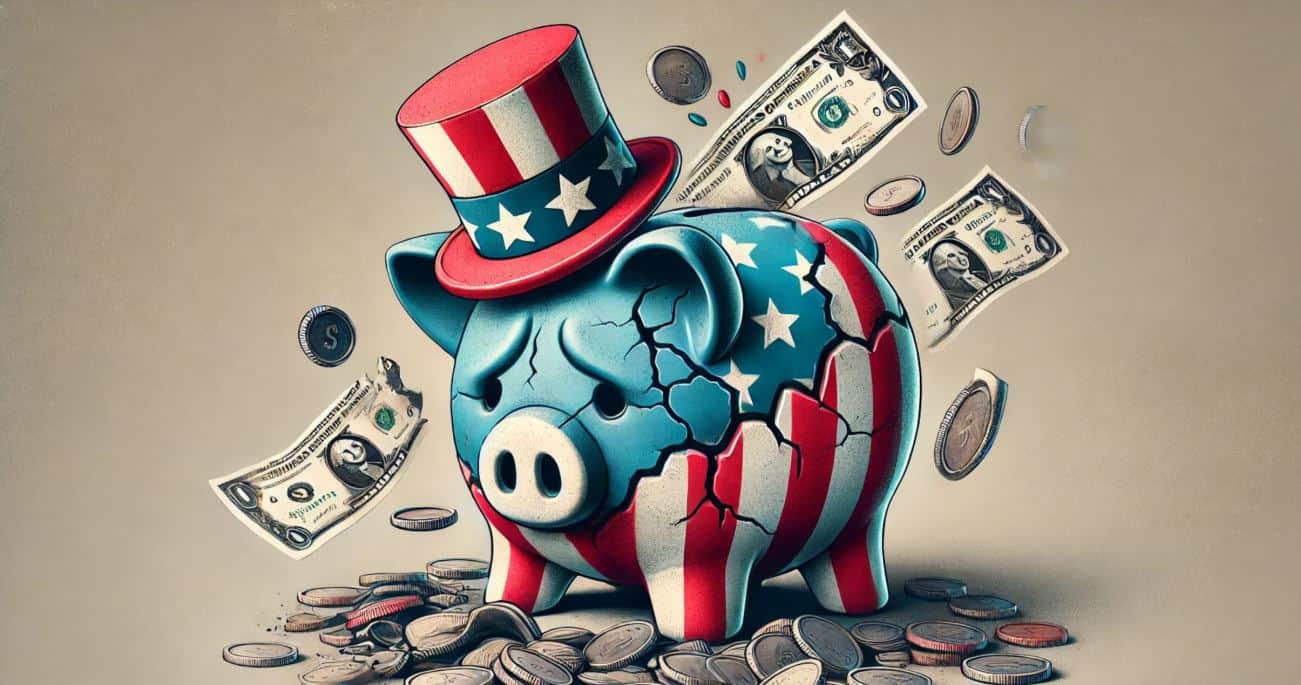
In 2006, Congress passed and Republican President George W. Bush signed a novel law that allowed the Federal Reserve to pay interest to banks that deposit money at the Federal Reserve. Per the St. Louis Fed, this gives “a safe, risk-free investment option to banks holding reserves at the Fed.” When the Fed first began using this policy during the Great Recession of 2007 to 2009, it paid banks an average annual interest rate of 1.4%. It later raised this rate to above 5% during much of 2023 and 2024, and it currently stands at 4.4%. Meanwhile, banks pay an average interest rate of 0.38% on their customers’ savings and pocket the difference. However, some online banks are offering savings accounts with rates that are close to 4%.
 Previous question
 Next question