Welfare for Immigrants
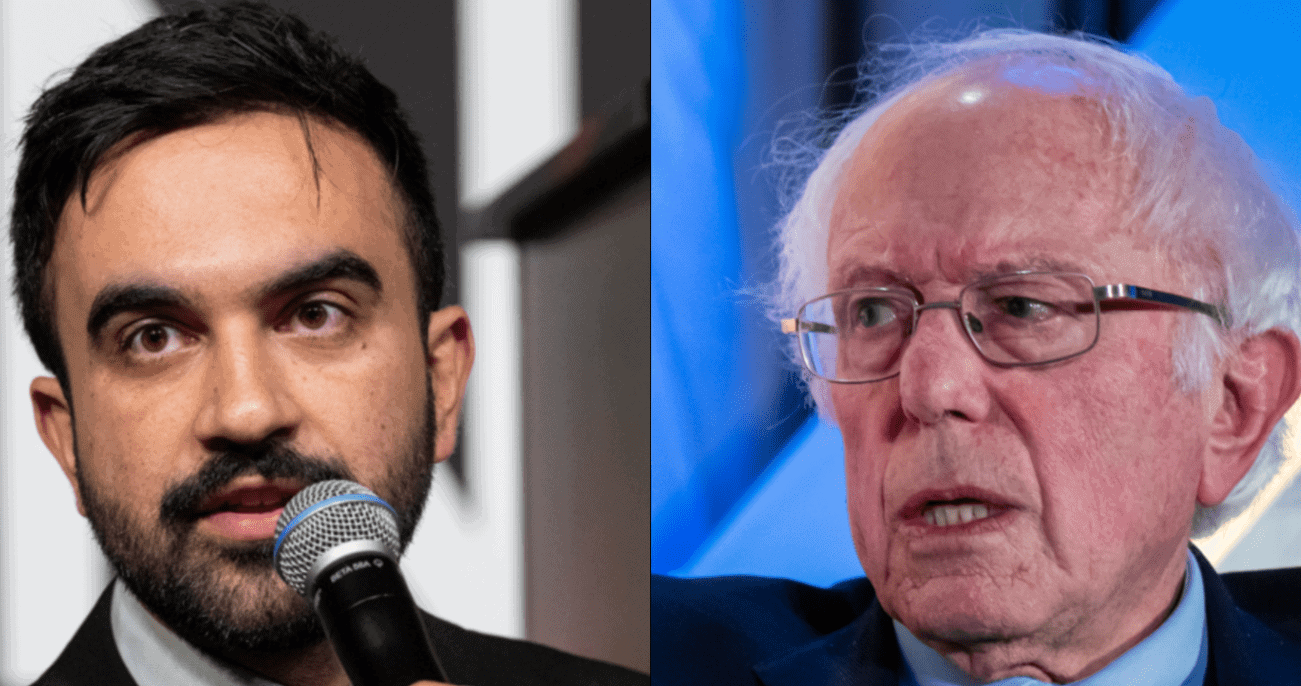
New York City Mayor Zohran Mamdani claims that he’s suing the federal government for denying “green cards or certain visas to individuals who receive benefits like SNAP and Medicaid,” because these people are “entitled” to receive those benefits.
IN FACT, federal law prohibits people from coming to the U.S. if they are “likely at any time to become” a burden on taxpayers, and Trump is enforcing this law unlike prior presidents. Here are the specifics:
- Federal law generally prohibits foreigners from entering the U.S. if they are “likely at any time to become a public charge,” meaning a burden on taxpayers.
- Federal law also states that “self-sufficiency has been a basic principle of United States immigration law since this country’s earliest immigration statutes,” and “it continues to be the immigration policy of the United States that aliens within the nation’s borders not depend on public resources to meet their needs, but rather rely on their own capabilities and the resources of their families, their sponsors, and private organizations.”
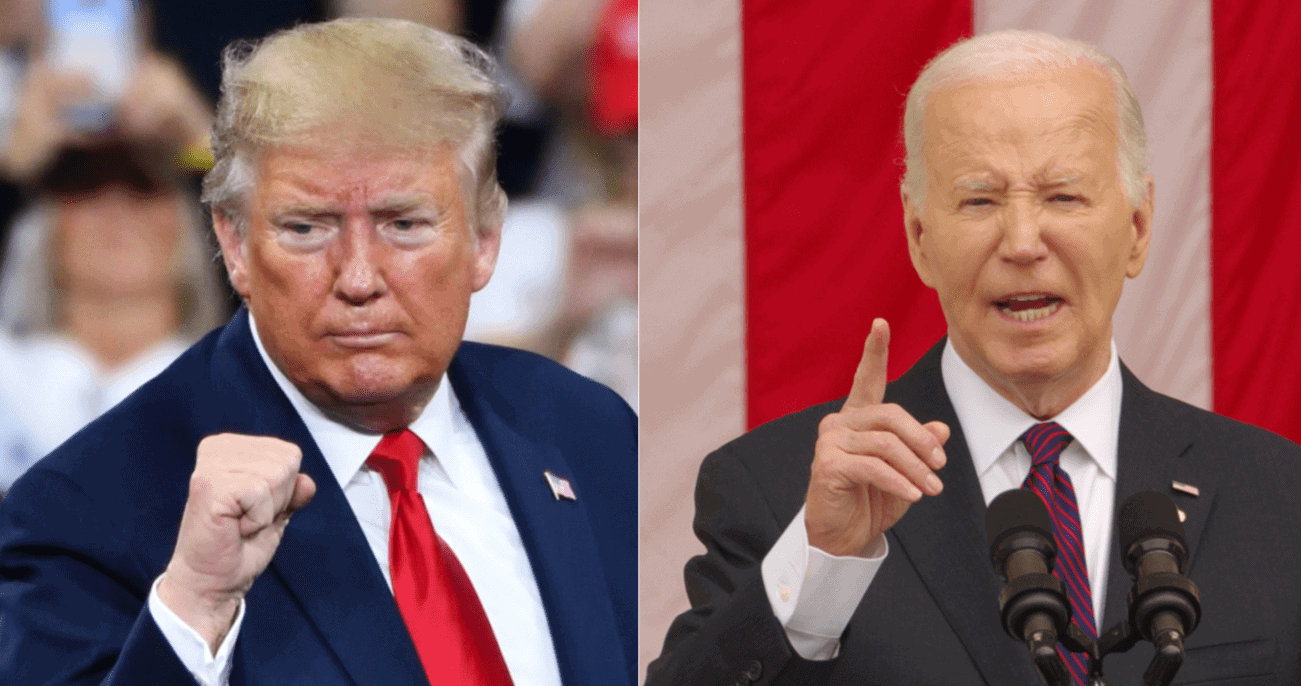
- In 1999, Democrat President Bill Clinton issued guidelines that excluded “non-cash or special-purpose cash” welfare benefits like Medicaid, SNAP, housing assistance, energy assistance, school lunch, and Head Start from being considered under a “public charge determination.”
- Non-cash welfare benefits provide for the bulk of all products and services consumed by the poorest 20% of households in the United States.
- In 2019, President Trump issued a regulation that rescinded some of Clinton’s guidelines and defined a “public charge” as someone who is likely to receive welfare benefits like SNAP, Medicaid, and housing assistance for a total of more than 12 months over a period of three years.
- Following the issuance of Trump’s regulation, various cities, counties, states, elected officials, and special interest groups filed lawsuits to overturn it and kept it tied up in courts until Joe Biden became president in 2021. Biden then chose to not defend the regulation in court, rendering it toothless.
- In 2022, Biden issued a regulation that reinstated Clinton’s guidelines and restricted the federal government from considering other forms of welfare when determining if a person is likely to become a burden on taxpayers.
- In 2025, Trump proposed a regulation to rescind Biden’s 2022 regulation and make other changes to the public charge rules.
- In 2026, Trump’s regulation, which requires the government to “consider the receipt of any means tested public benefits” when making a public charge determination, was finalized.
- Following the issuance of Trump’s regulation, coalitions of states, counties, and cities like New York, Chicago, San Francisco, and Seattle are now filing lawsuits to block it.