K–12 Education Funding
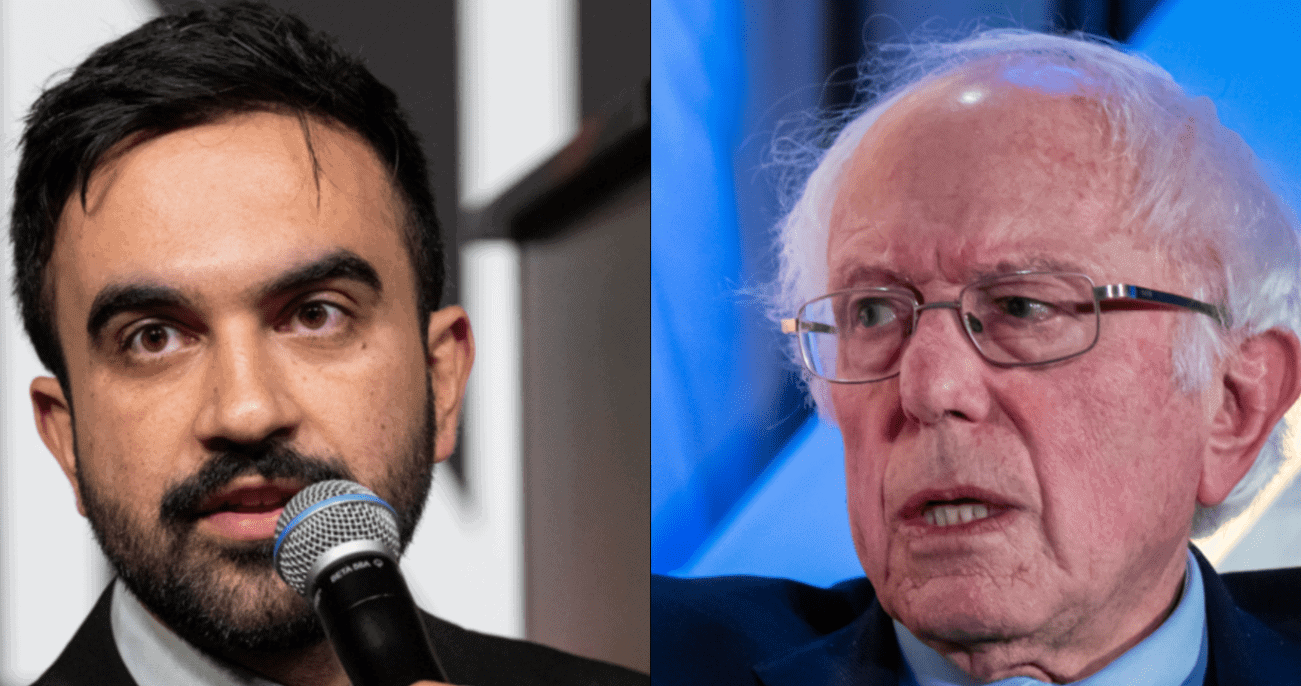
Abdul El-Sayed, the Democrat nominee for U.S. Senator from Michigan, claims that U.S. schools “have been underfunded for a very, very long time.”
IN FACT, U.S. schools are among the best-funded in the world and spend nearly twice what most people believe. Here are the specifics:
- In 2020 (the latest available data), the U.S. ranked 5th among 36 developed nations in average spending per full-time K–12 student. These data are based on purchasing power parities, which allow for accurate comparisons of international economic data so that an apple in one country is counted the same as an apple in another.
- In the 2022–23 school year, the average spending per public school student was $20,039.
- A scientific survey commissioned in 2021 by the journal Education Next and the Kennedy School of Government at Harvard University found that public school spending per student was 87% higher than what the average U.S. adult believed.
- In the 2022–23 school year, the average spending per public school classroom was about $404,788.
- A scientific survey commissioned in 2019 by Just Facts found that public school funding per classroom was more than twice as high as the majority of voters believed.
- From the time that the U.S. Department of Education was founded in 1979, the average inflation-adjusted spending per public school student has more than doubled, while the national average math and reading scores for 17-year olds in the National Assessment of Educational Progress haven’t increased and may have fallen because assessments on 17-year-olds haven’t been conducted since 2012, and younger students experienced substantial declines in math and reading over recent years, particularly in the wake of school closures and other ill-informed reactions to the Covid-19 pandemic.
- Despite inflation-adjusted spending per public school student rising by more than four times since 1960, only 37% of U.S. residents aged 16 and older can correctly answer a question that requires basic logic, addition, and division, even when using a calculator and taking as much time as needed.
- Among college-bound high school students who take the ACT exam, only 20% meet its college readiness benchmarks in all four subjects (English, reading, math, and science).
- Two-thirds to three-quarters of all young adults in the U.S. are unqualified for military service because of poor physical fitness, weak educational skills, illegal drug use, medical conditions, or criminal records.
- Public schools cannot be logically blamed for the entirety of those outcomes, but they are among the central competencies that schools purport to instill, and K–12 students spend more time in school each year than any other single waking activity over these formative years of their lives.