Mega Master Hearings
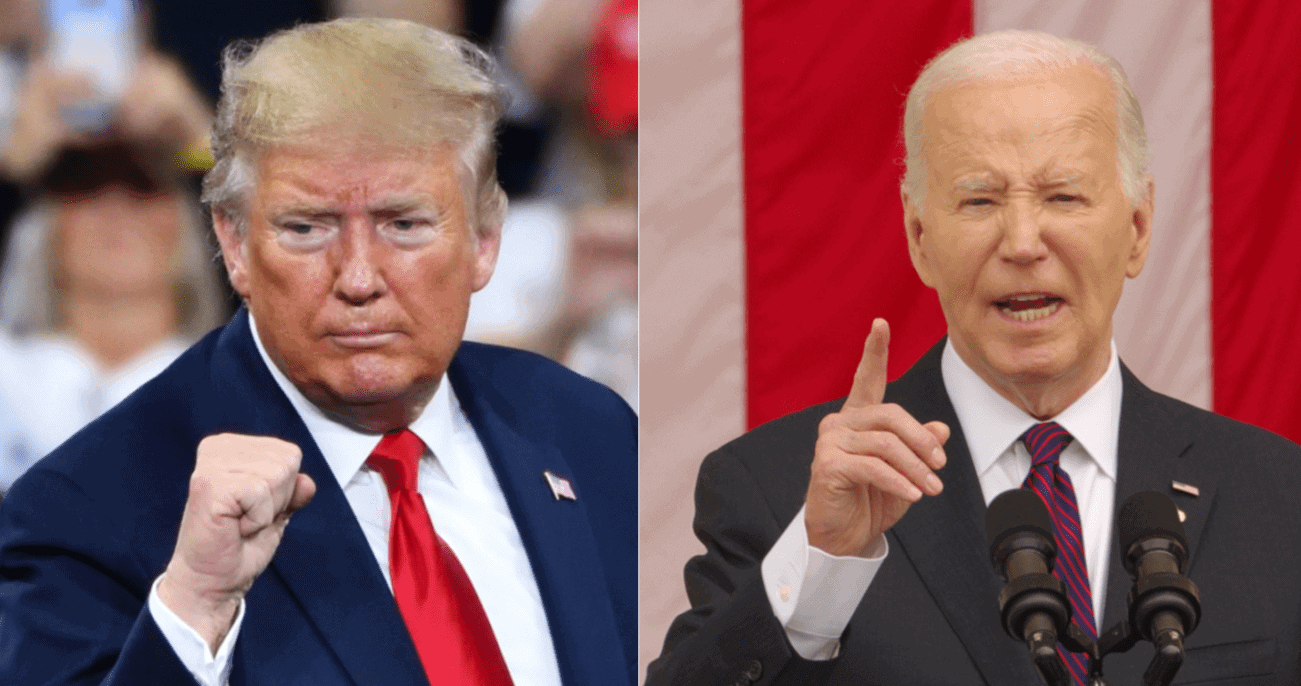
U.S. Congressman Dan Goldman (D–NY) claims that President Trump is committing a “blatant violation of due process” by holding “mega master hearings” where “up to 100 people appear before an immigration judge as if they are on an assembly line.”
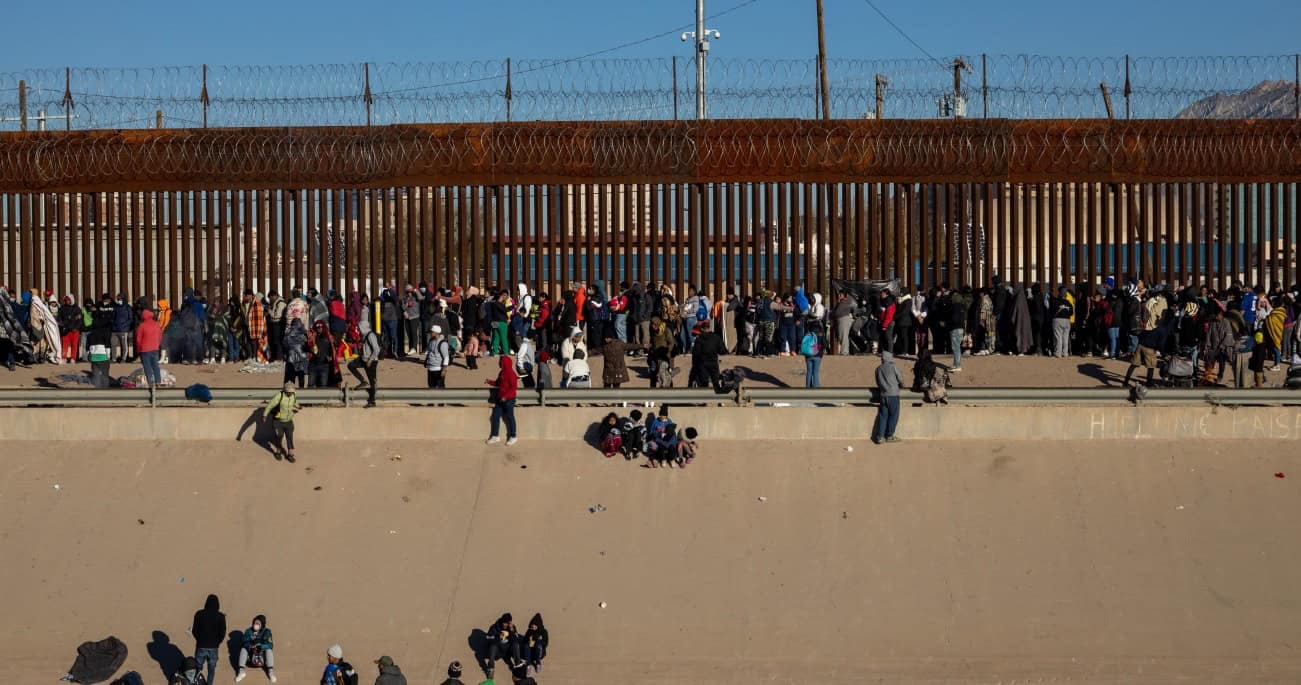
IN FACT, these are preliminary hearings to clear a multi-million-case backlog created by Biden’s open border policies, and strict due process doesn’t apply to such proceedings. Here are the specifics:
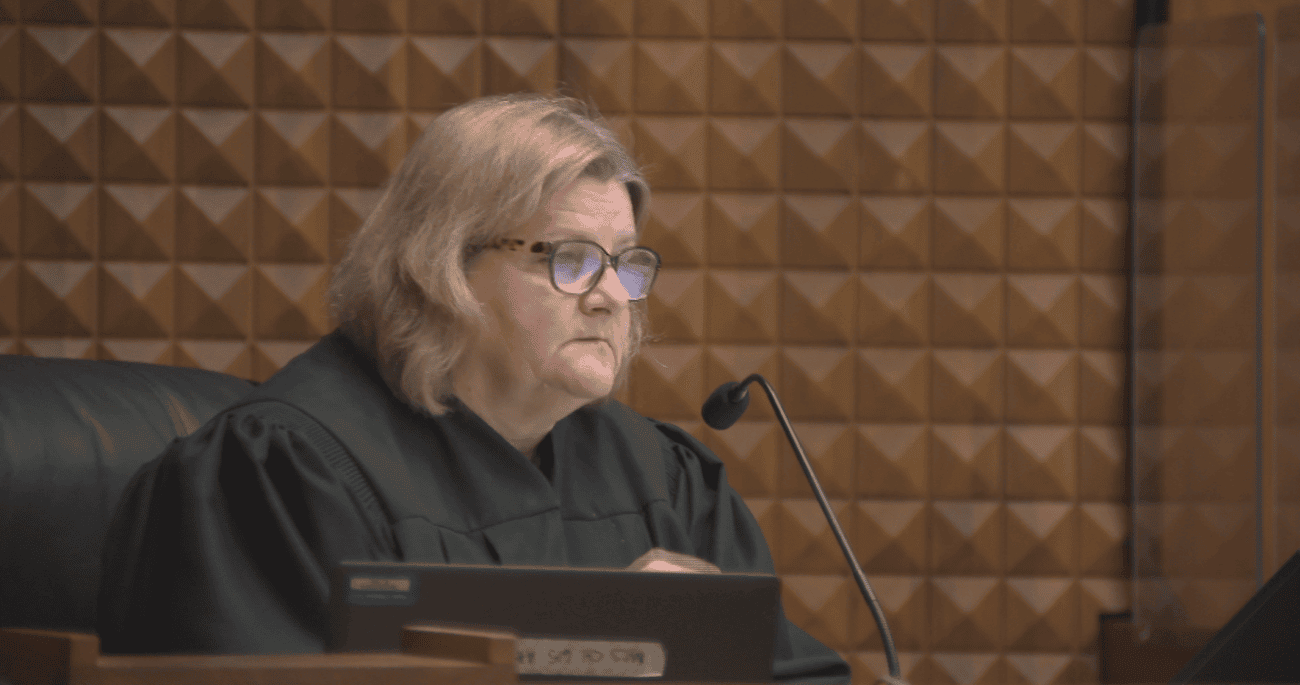
- As explained by the Congressional Research Service, the “first” court appearance for “aliens” in “removal proceedings” is a “Master Calendar hearing” in which an immigration judge is “required to explain the alien’s rights, the charges against the alien, and the nature of the proceedings,” while the “alien is required” to admit or deny the charges against him at this “first or a subsequent Master Calendar hearing.”
- After this initial hearing, aliens have numerous opportunities and avenues to contest deportation.
- Due to President Biden’s open-border policies, the backlog of pending cases in immigration courts quintupled from 656,000 cases in September 2017 to about 3.5 million in July 2024.
- Per the U.S. Government Accountability Office, “the effects of this backlog are significant and wide-ranging, including some respondents waiting years to have their cases heard and immigration judges having less time to consider cases.”
- NPR recently reported that immigration attorneys are complaining that “immigrants are now being scheduled for massive master calendar hearings — or ‘mega masters’ — that include 100 or more people at a time,” an increase from “two or three dozen people” in the past.
- Along with Goldman, proponents of illegal immigrants are alleging that these hearings violate “due process.”
- The Constitution’s Fifth Amendment states that “no person” shall be “deprived of life, liberty, or property, without due process of law.”
- The deportation of illegal aliens doesn’t deprive them of liberty, for as the Supreme Court ruled in ruled in Bugajewitz v. Adams, “deportation” is not based on the “conviction of crime, nor is the deportation a punishment; it is simply a refusal by the government to harbor persons whom it does not want.”
- Likewise, the Supreme Court ruled in Wong Wing v. United States that the “detention or temporary confinement” of illegal aliens to ensure their “exclusion or expulsion” is “not imprisonment in a legal sense.”
- Furthermore, the Supreme Court ruled in Demore v. Kim that “although the Fifth Amendment entitles aliens to due process in deportation proceedings,” “detention during such proceedings is a constitutionally valid aspect of the process.”
- The difference between deporting an illegal alien who has been living in the U.S. and expelling one who recently entered is crucial because illegal immigrants with a foothold in the U.S. have significant legal protections that recent border crossers do not.
- As the Supreme Court ruled in Shaughnessy v. Mezei, “aliens who have once passed through our gates, even illegally, may be expelled only after proceedings conforming to traditional standards of fairness encompassed in due process of law,” “but an alien on the threshold of initial entry stands on a different footing: ‘Whatever the procedure authorized by Congress is, it is due process as far as an alien denied entry is concerned.’”
- Importantly, a 2022 federal appeals court ruling explains that grants of “parole” — which Biden gave to millions of inadmissible aliens by distorting a federal law — “creates something of legal fiction” because “although a paroled alien is physically allowed to enter the country, the legal status of the alien is the same as if he or she were still being held at the border waiting for his or her application for admission to be granted or denied.”
- Likewise, the Supreme Court held in Zadvydas v. Davis that an immigrant’s “presence on Ellis Island” does “not count as entry into the United States,” and he can be “treated” for “constitutional purposes” as “if stopped at the border.”
- Furthermore, the Supreme Court held in Kaplan v. Tod that a new illegal entrant staying in the U.S. with her father is “still in theory of law at the boundary line and had gained no foothold in the United States.”
- Moreover, the Supreme Court held in United States v. Ju Toy that a person “whose right to enter the United States is questioned under the immigration laws is to be regarded as if he had stopped at the limit of its jurisdiction, although physically he may be within its boundaries.”
In short, Biden overwhelmed the nation’s immigration courts, Trump is attempting to fix this, the Constitutional right to due process has limited applicability to deportation proceedings, and it has even less applicability to millions of inadmissible aliens paroled into the U.S. by Biden.