Political Bribery
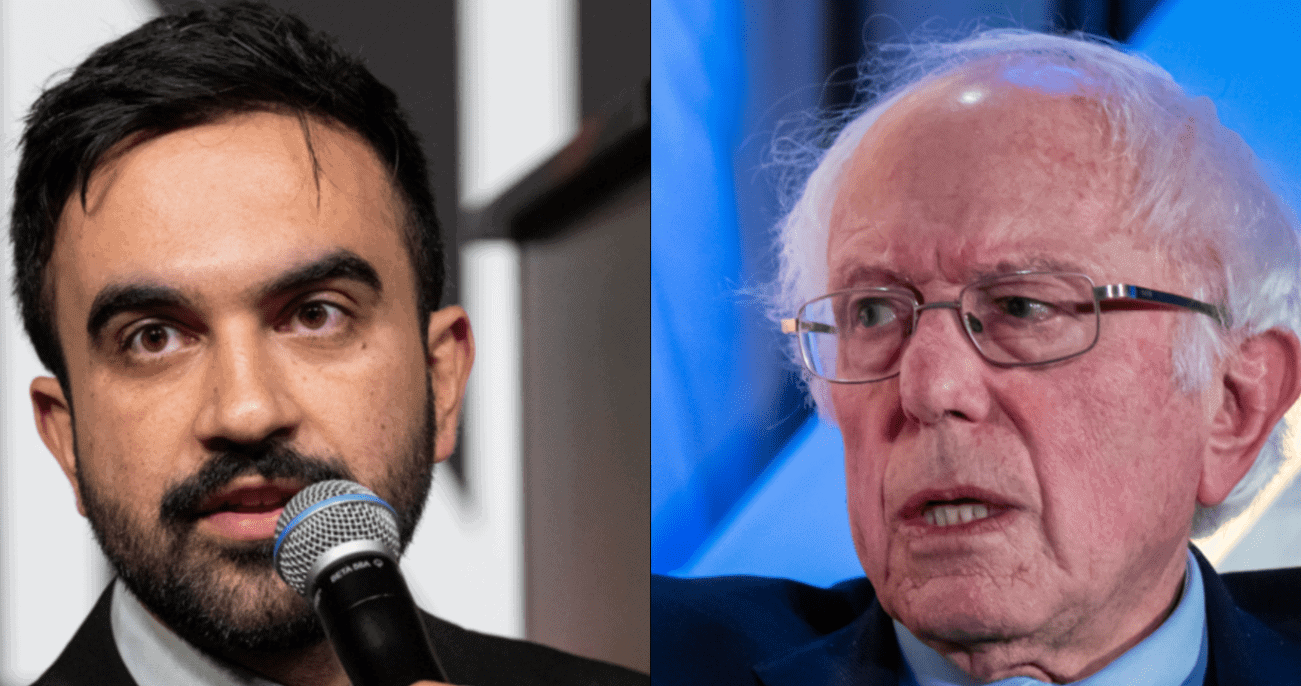
U.S. Senator Bernie Sanders (I–VT) claims that the campaign finance system is “legally corrupt” because “billionaires” can “spend $50 million to influence an election,” but if “you give a politician $5 to influence a vote, it’s bribery.”
IN FACT, the leading form of political bribery is politicians buying votes with taxpayers’ money. Sanders and his ilk have repeatedly done this while trying to use the power of government to silence their critics. Here are the specifics:
- In the latest presidential and congressional election cycles (2021–2024), federal candidates and political action committees spent a combined total of $23.7 billion to influence federal elections.
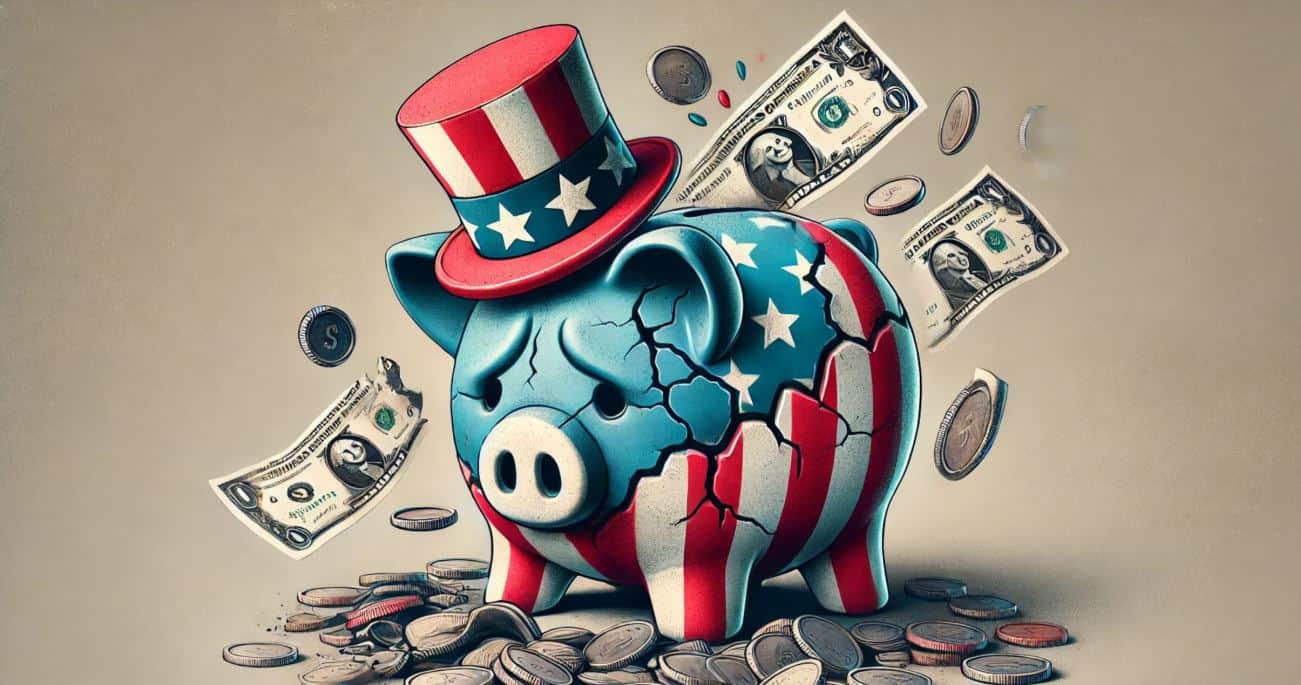
- During the same period, the federal government spent 743 times more than that — $17,600 billion — on social programs that redistribute taxpayers’ money.
- Per an academic paper published by Cambridge University Press, “Recipients of social benefits” are “more likely to punish politicians for cutbacks than taxpayers are to reward them for lower costs.”
- Sanders, a self-declared Democratic socialist, and the Democratic Party have incessantly offered people more taxpayer-funded social benefits in exchange for their votes.
- From 1960 to 2024, social programs have grown from 21% of all federal spending to 60%.
- In 2002, Sanders and the vast bulk of Democrats in the House and Senate voted for a bill that generally banned corporations from mentioning the names of political candidates in broadcast communications prior to elections, except for media corporations, who were exempted from the law.
- Per the Cornell Legal Information Institute, “Despite the popular misunderstanding, the right to freedom of the press guaranteed by the First Amendment is not very different from the right to freedom of speech,” and the First Amendment “does not afford members of the media any special rights or privileges not afforded to citizens in general.”
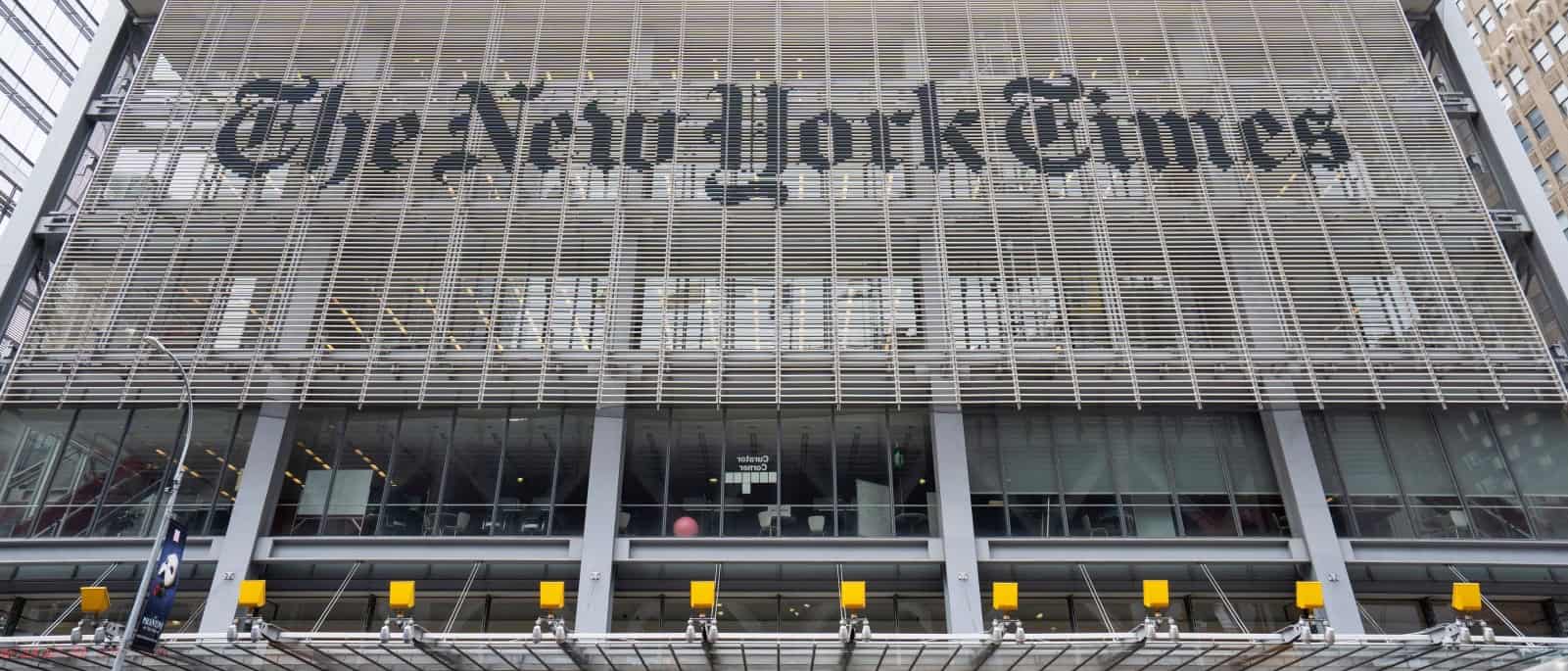
- The Democrat’s 2002 bill — which was opposed by the vast majority of Republicans but signed into law by Republican President George W. Bush — restricted American citizens from pooling their resources to express their political views while allowing domestic and foreign billionaires to advance theirs by purchasing stakes in massive media corporations like the New York Times.
- In the 2010 case of Citizens United v. FEC, the U.S. Supreme Court ruled that “differential treatment of media corporations and other corporations cannot be squared with the First Amendment,” “all speakers” use “money amassed from the economic marketplace to fund their speech,” and the “First Amendment protects the resulting speech.”
- In the Citizens United ruling, all of the justices appointed by Democrats voted to infringe the speech of U.S. citizens, and all but one of the justices appointed by Republicans voted to protect it.
- The First Amendment of the U.S. Constitution states that “Congress shall make no law” “abridging the freedom of speech, or of the press.”